
Things to know
Most homeowners purchase a fence only once or twice in their lifetime, so it’s normal to have questions. There are several important things to consider before choosing the right fence for your property. Fence posts are one of the most important parts of a fence, because they support the entire structure.
Many builder-grade fences use landscape timbers as posts because they are inexpensive. However, these timbers are not designed to be buried in the ground, which is why some newer fences fail after only a few years.
✳︎
New Construction
✳︎
Repairs
✳︎
Residential
✳︎
Commercial Design
✳︎
Replacement
✳︎ New Construction ✳︎ Repairs ✳︎ Residential ✳︎ Commercial Design ✳︎ Replacement
Fence Posts Options
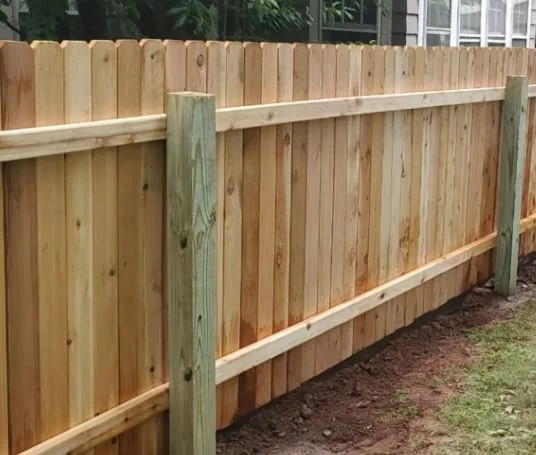
4x4 Treated Pine Posts
More economical than cedar
Treated to resist rot
Strong and long-lasting
May warp slightly over time
Expected lift span: up to 15 or more years when installed properly
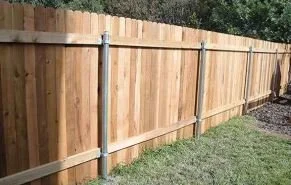
2 3/8" galvanized round steel posts
These posts are commonly used in residential fencing because they are strong, durable, and long-lasting.
Steel posts are coated with a layer of galvanized zinc, which protects the steel from rust and corrosion. This coating allows the posts to withstand years of exposure to moisture and soil without breaking down.
Many homeowners choose steel posts because they create a much stronger foundation for the fence compared to traditional wood posts. Why Steel Posts Are Better Than Wood Posts
Much Longer Lifespan
One of the biggest advantages of steel posts is how long they last.
Galvanized steel posts: 30–50+ years
Typical wood posts: 10–15 years
Wood posts are buried in the ground, which exposes them to constant moisture and causes them to rot over time. Steel posts do not rot and can last decades longer than wood.
No Rot or Termite Damage
Wood is a natural material that can be damaged by:
Moisture
Termites
Fungus
Soil bacteria
Steel posts are completely resistant to these problems, which is why many fences fail at the post long before the pickets wear out.
Stronger in Wind and Storms
Steel posts provide a much stronger anchor for your fence. They are engineered to handle heavy loads and strong winds better than wood posts.
Because they do not weaken or rot over time, steel posts help prevent common problems such as:
Leaning fences
Sagging sections
Loose posts
Steel posts maintain the structural strength of the fence for decades.
Low Maintenance
Wood posts require maintenance and eventual replacement when they begin to rot. Steel posts require very little maintenance once installed.
They do not need:
sealing
staining
rot treatment
Once installed, they simply continue supporting the fence for many years.
Post Master Posts Our Best Selling Posts
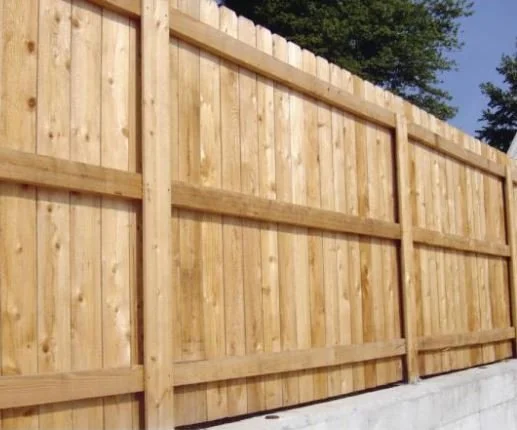
There are several types of steel posts used for wood fences. Two of the most common are round galvanized posts (2 3/8") and PostMaster steel posts. While both are stronger than wood posts, PostMaster posts are specifically designed for wood privacy fences, which gives them several advantages.
Designed Specifically for Wood Fences
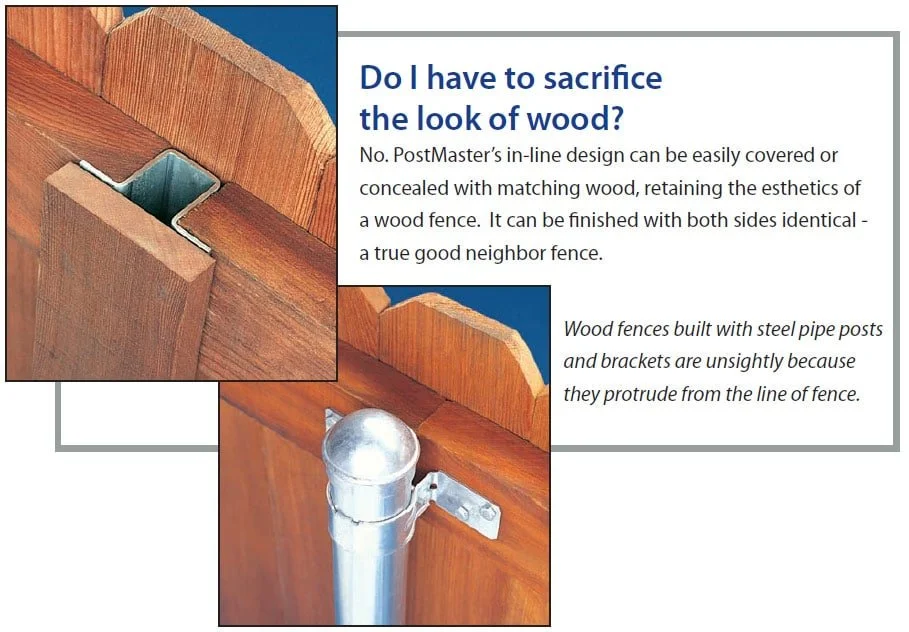
Round steel posts were originally designed for chain link fences, not wood privacy fences. Because of this, extra brackets or hardware are usually needed to attach wood rails to the round post.
PostMaster posts are engineered specifically for wood fences, so the rails attach directly to the post without additional hardware. This creates a cleaner and stronger installation.
Completely Hidden Inside the Fence
One of the biggest advantages of PostMaster posts is that they are completely hidden inside the fence.
With round steel posts, the metal post is typically visible on one side of the fence. PostMaster posts fit inside the fence structure so the fence looks 100% like a traditional wood fence from both sides.
This is why PostMaster posts are very popular in neighborhoods and HOA communities.
Stronger Fence Structure
PostMaster posts are designed with a U-channel shape, which adds strength and rigidity. This design helps prevent the fence from leaning or sagging over time.
Because the rails attach directly into the post, the entire fence becomes a stronger, more connected structure compared to fences built using round posts and brackets.
Cleaner Appearance
Round steel posts often require:
Pipe straps
Brackets
Lag bolts
Visible hardware
PostMaster posts allow the rails to be installed directly into the post, which creates a much cleaner finished look.
Built to Last
Like other steel posts, PostMaster posts are made from galvanized steel, which means they:
Will not rot
Will not warp
Are resistant to termites
Come with a life time warranty
Ornamental Iron Fencing
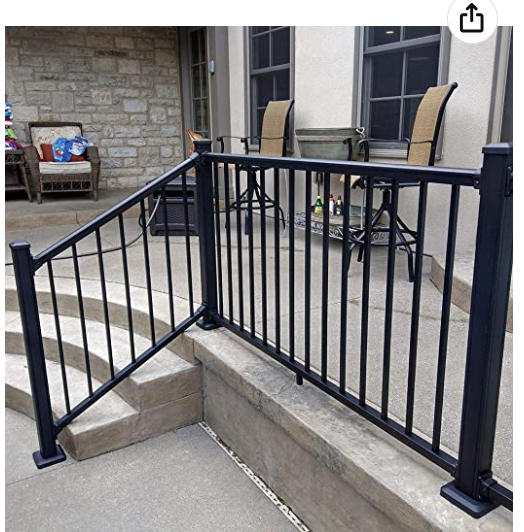
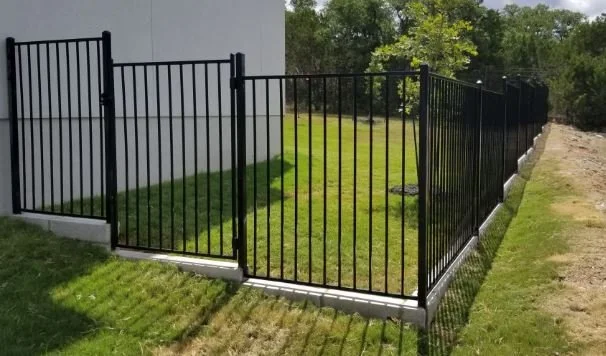
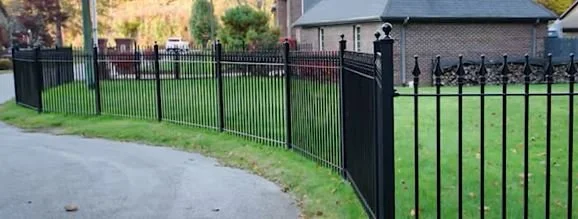
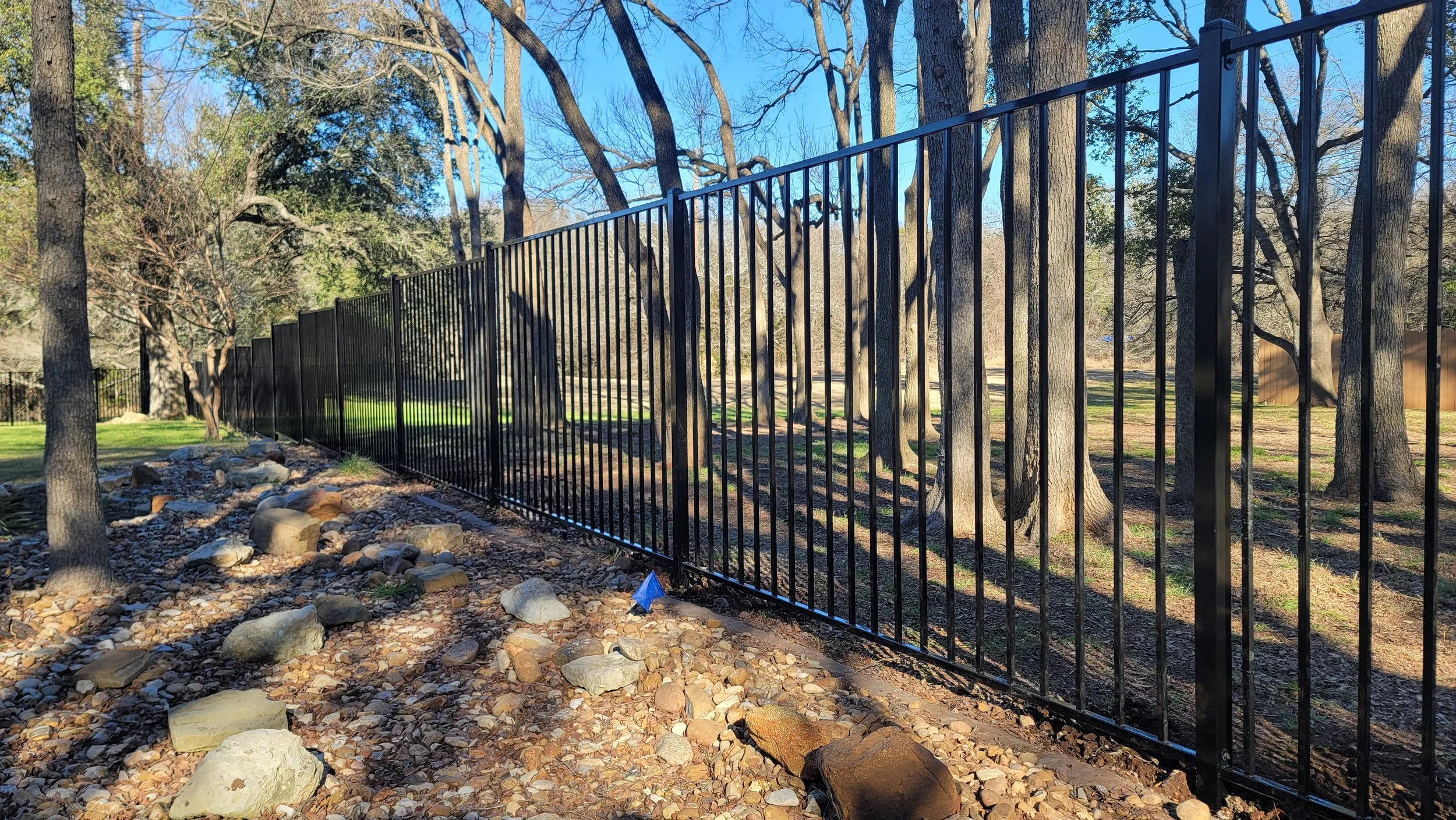
Ornamental iron fencing is a popular choice for homeowners who want a fence that is strong, elegant, and long lasting. It can be used around front yards, pools, driveways, and commercial properties.
Ornamental fencing comes in many different styles, heights, grades, and installation options, so it’s helpful to understand the differences before choosing the right fence for your property.
Styles
Ornamental fences come in a wide variety of styles. The most common design is the flat-top style, which has a clean and simple appearance and works well for most homes.
Other popular styles include:
Spear Top
The pickets extend above the top rail with decorative spear points. This style provides a more traditional and decorative look.
Pressed Spear
Similar to spear top, but the decorative spear shape is formed from the same picket instead of attaching a separate spear.
Finial Top
Decorative finials are attached to the top of the pickets for a more ornate appearance.
Double Rail or Puppy Picket
A second row of smaller pickets is added at the bottom of the fence to keep small pets from slipping through.
Heights
Ornamental fences are available in several standard heights depending on the purpose of the fence.
Common heights include:
3ft- Perfect for stain railings or enclosing a patio
4 ft – Most common for front yards and decorative fencing
5 ft – Provides slightly more security while maintaining an open look
6 ft – Often used for backyards and security
For pool fences, most building codes require a minimum height of 4 feet with specific spacing requirements between pickets.
Rackable vs Step Down Installation
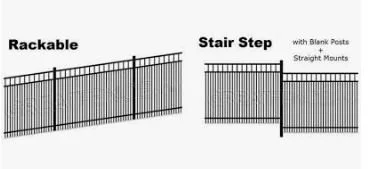
When installing a fence on sloped ground, there are two installation methods.
Rackable Fence
Rackable fencing allows the fence panel to follow the slope of the ground while keeping the bottom of the fence close to the ground. The pickets stay vertical while the rails angle with the slope.
Benefits of rackable fencing:
Cleaner appearance on slopes
Fewer gaps under the fence
More secure for pets
Step Down Fence
Step down installation uses straight fence panels installed level, creating a stair-step appearance down the slope.
This method is typically used when:
The slope is very steep
The fence panels are not rackable
The installation requires perfectly level sections
Quality and Materials
Most ornamental fences today are made from powder-coated steel.
Steel Ornamental Fencing
Steel fencing is stronger and heavier than aluminum. It is commonly used for:
Security fencing
Commercial applications
Long fence runs where strength is important
Steel fences are typically galvanized and powder coated to protect against rust.
Grades of Ornamental Fencing
Not all ornamental fences are built the same. They are often available in different grades depending on thickness and strength.
Residential Grade
Lighter material
Lower cost
Common for decorative front yard fencing
Commercial Grade
Thicker metal
Stronger construction
Used for large properties, apartments, or schools
Industrial Grade
Very heavy duty
Designed for security and high-traffic areas
Warranties
Most ornamental fences come with manufacturer warranties that protect the finish and structure.
Typical warranties include:
Powder Coating Warranty
Protects against chipping, peeling, or fading of the finish.
Structural Warranty
Covers defects in the materials or manufacturing.
Warranty lengths vary depending on the manufacturer, but many residential ornamental fences come with 10–20 year warranties, and some aluminum fences offer lifetime warranties.
Variations and Custom Features
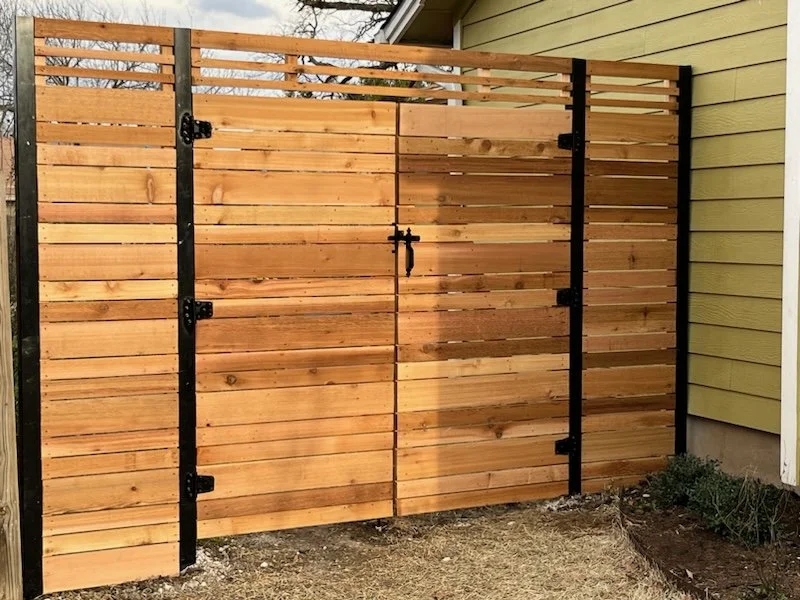
Ornamental fences can also include many custom features to match the style of your home.
Custom options include:
Decorative rings
Scrolls
Arched gates
Double drive gates
Custom entry gates
Estate gates with automatic openers
These upgrades allow homeowners to create a fence that is both functional and visually striking.
Pickets, Rails & Rotboards
Pickets
There are many materials available for fencing, and wood fences come in several different species, grades, and thicknesses.
Western Red Cedar is the most commonly used wood for fence pickets because:
It naturally resists insects
It is less likely to warp compared to other woods
It can last 15 years or more when properly installed
Western Red Cedar pickets typically come in:
5/8" thickness
3/4" thickness
They are also graded from #2 to #4. The lower the number, the fewer knots and imperfections in the wood.
Other wood options include:
Pine
Fir
Japanese Cedar
These options are generally less expensive, but they tend to warp, shrink, and wear out faster than Western Red Cedar.
Fence Rails
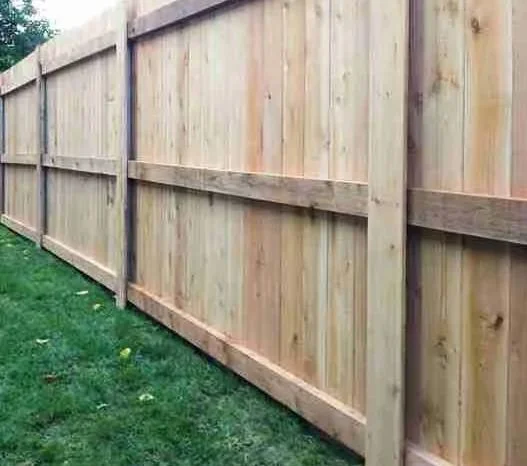
Most HOA neighborhoods require vertical style privacy fences. These typically use Western Red Cedar pickets, but homeowners still have choices when it comes to the strength of the fence.
For a 6-foot tall vertical privacy fence, you can choose between:
2 rails
3 rails
Adding a third rail is one of the best upgrades for strengthening your fence. It provides better support for the pickets and helps prevent the fence from bowing or sagging in the middle over time.
Rot Board (Kick Board)
A rot board can sometimes be used instead of a third rail. It is a 2x6 board installed at the bottom of the fence and serves several useful purposes.
Benefits of a rot board include:
Helps eliminate gaps under the fence when the ground is uneven
Keeps pickets from touching the soil, which extends their lifespan
Adds extra strength to the bottom of the fence
Can increase the overall height of the fence slightly
Because the board is 6 inches tall, the pickets can be installed slightly higher while still maintaining full privacy.
Talk With Your Neighbors
In Texas, many fences are built directly on the shared property line, which means the fence is typically shared by both neighbors. Because of this, many homeowners choose to split the cost of the fence between the properties (unless an HOA states otherwise).
Before getting quotes, it’s a good idea to talk with your neighbors about your plans. Discuss things like:
Fence style
Landscaping needs
Drainage issues
Gates and access points
Working together early in the process makes it much easier to agree on a design and share the cost of the fence.